2026-10-4 · Build Model
学会如何搭建一个基础的模型
 Alpaca/ personal workspace
ROBOTICS · CODE · NOTES
这是 Alpaca 的一小块自留地。放些机器人和代码,也放学习时的笔记和偶尔冒出来的想法。
MuJoCo / ROS2 / PyTorch learning
Selected Projects
MSc Dissertation · 2026
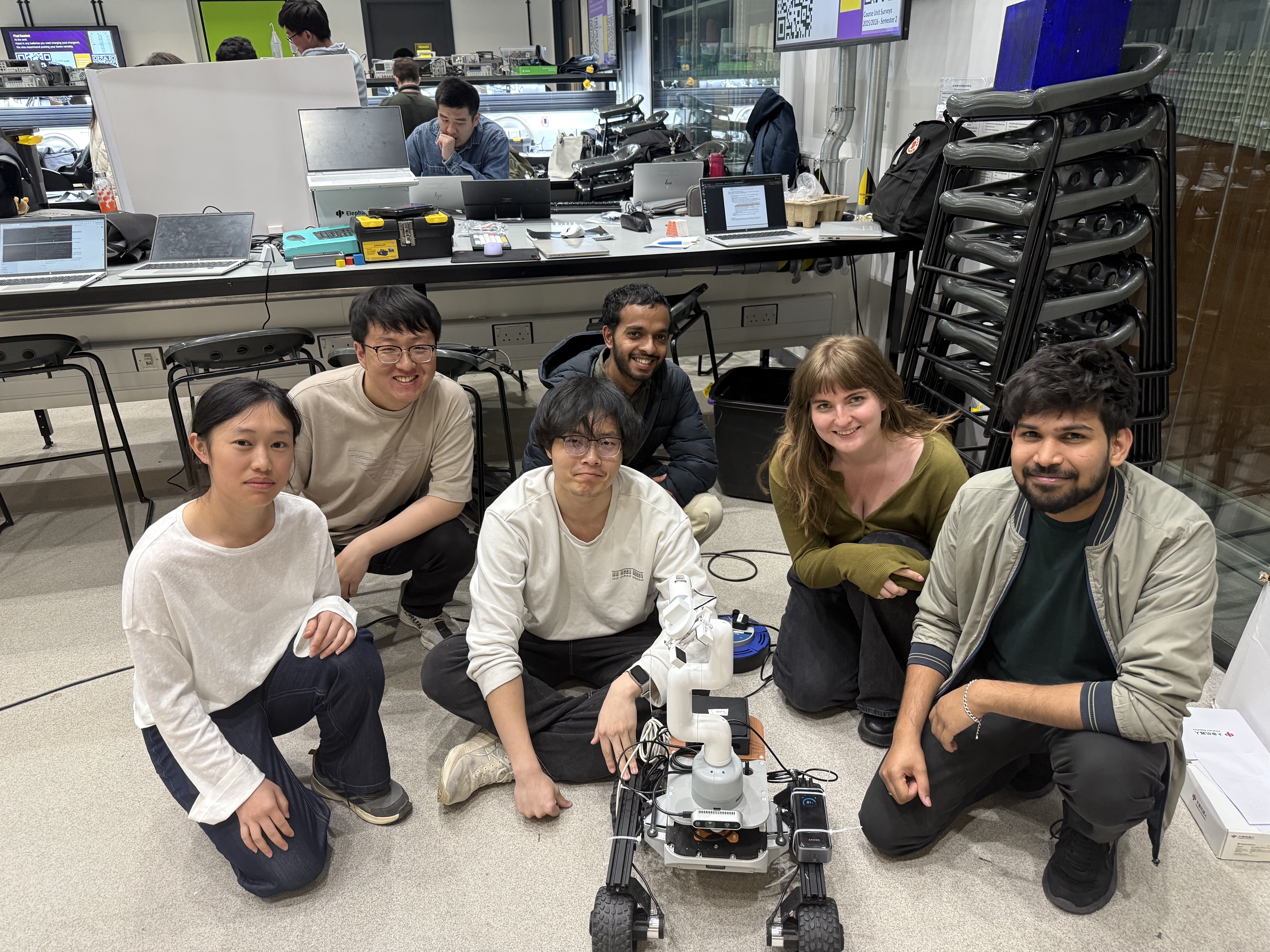
Team Robotics Project · 2025–2026
WRITING / 留下的记录
学会如何搭建一个基础的模型
搭建一个基础模型需要哪些步骤,有哪些注意事项
理解Transform是什么,为什么要用Transforms
Transform内容笔记
Profile
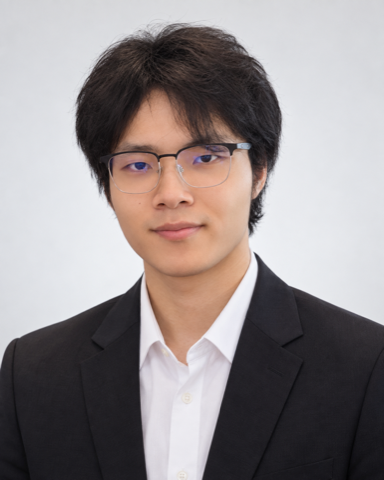
I am completing an MSc in Robotics at the University of Manchester (expected December 2026), following a dual degree in Software Engineering / Computer Science & Software Engineering from Fuzhou University and Maynooth University.
My dissertation evaluates whether local LLMs can recognise when a tabletop instruction is feasible, infeasible or ambiguous before a robot executes it. In the V.I.S.O.R. team project, I focused on testing and tuning SLAM and Nav2 navigation on a Leo Rover.
I am interested in embodied intelligence, robot learning and reliable robotic systems. This portfolio separates work I have completed from topics I am still learning.
Experience & Publication
Software Engineering Internship · Jan–May 2024
Worked on functional, regression and acceptance testing with ZenTao; developed Java SSM / MariaDB REST APIs and business features with Elasticsearch, plus Vue2 / ElementUI frontend integration.
Publication · 2026
International Journal of Digital Earth · JCR Q1 (2025 metrics) · Third author
Contributed to Writing – original draft. The paper studies rainfall-data management and retrieval using GeoSOT sequential encoding.
Focus
Research
Engineering
Next Step
Skills
ROS2, Nav2, SLAM Toolbox, TF, MuJoCo, Gazebo, PyBullet.
NumPy, Pandas, local Transformer / LLM inference and planning evaluation.
Python, Java, C++ (fundamentals), Linux, Git, SSH.
Benchmark and ablation design, experiment automation, statistical analysis, visualisation and scientific writing.
CPD Evidence
I use project evidence, tests and reflection to track engineering decisions and the limits of my results.
A2
B3
D2
Now
Reviewing ROS2, Nav2, SLAM/TF and MuJoCo decisions from completed projects for technical interviews.
Working through PyTorch fundamentals toward an independent train–validate–evaluate loop.
Learning behaviour cloning with closed-loop evaluation before moving toward ACT, diffusion policies and VLA.